Site readiness
Assess power, cooling, space and floor-loading requirements before rack installation begins.
Gate Power, cooling, space and floor loading are understood for the planned equipment.
Physical Infrastructure
Site, power, cooling, racks and cabling: the physical work every GPU deployment depends on.

In your program
To agree per project: Who owns the power and cooling interfaces, and who owns commissioning.
Assess power, cooling, space and floor-loading requirements before rack installation begins.
Gate Power, cooling, space and floor loading are understood for the planned equipment.
Integrate direct-to-chip cooling, coolant distribution units (CDUs) and rear-door heat exchangers within the agreed project scope. Power and utility coordination is scoped per project.
Gate Cooling path and power interfaces are defined, with an owner named for each.
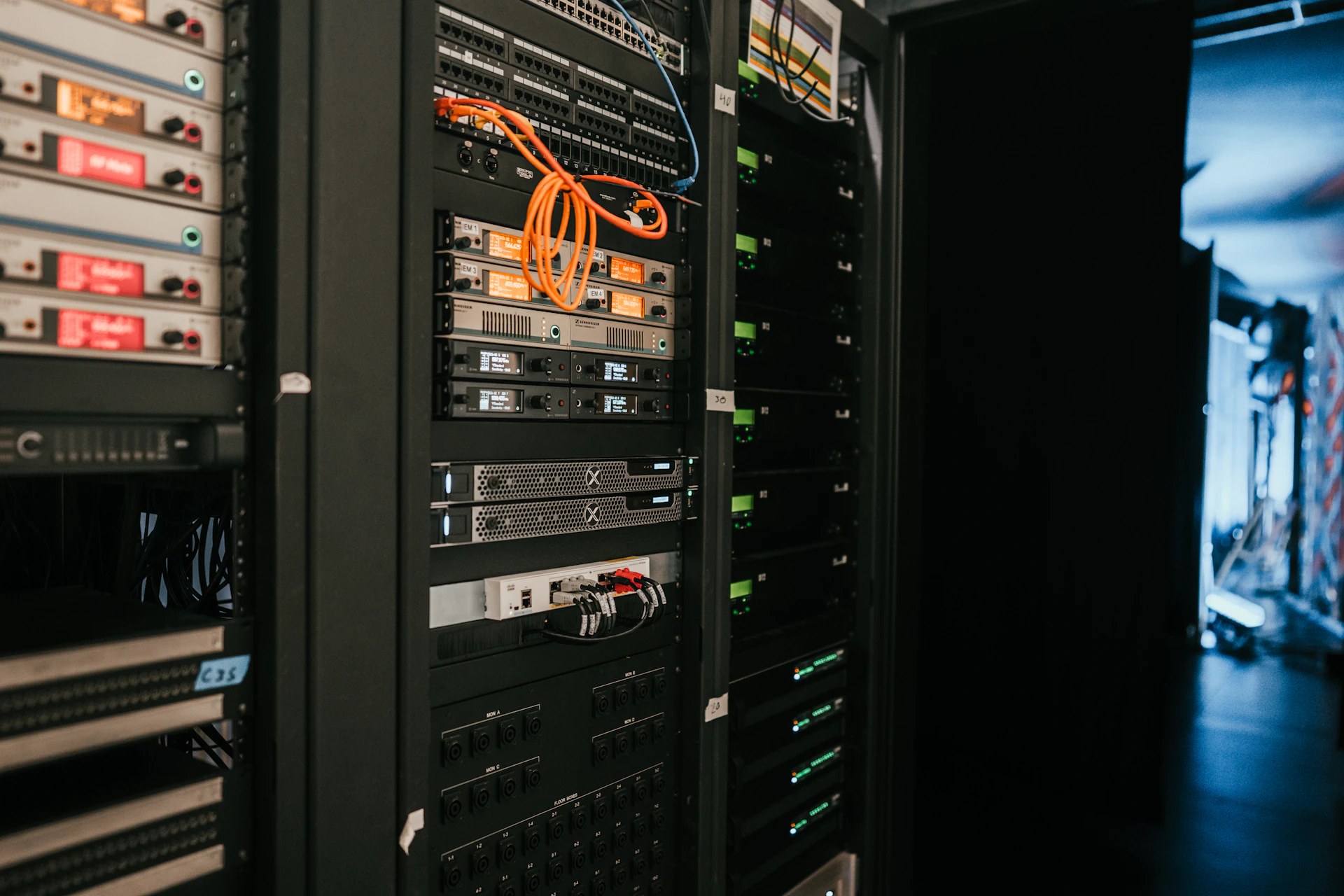
Coordinate receiving, rack elevations, rack-and-stack and burn-in for high-density infrastructure.
Gate Equipment is racked, powered and through burn-in.
Install, label, document and validate fiber and interconnect cabling (AOC and DAC options) so the physical network is ready for integration.
Gate Cabling is labelled, documented and validated.
Cooling integration covers direct-to-chip cooling, coolant distribution units and rear-door heat exchangers, within the agreed project scope. No photograph in the supplied set shows a liquid-cooled installation, so the diagram below is a schematic.
Film · 2:23
Power design, liquid cooling, network fabrics and multi-site deployment, from the first rack to a running system.
Client-supplied film. The footage appears computer-generated, so it is illustrative and not a CloudSyntrix site.
The cabling and field side has its own film on the Delivery Teams page.

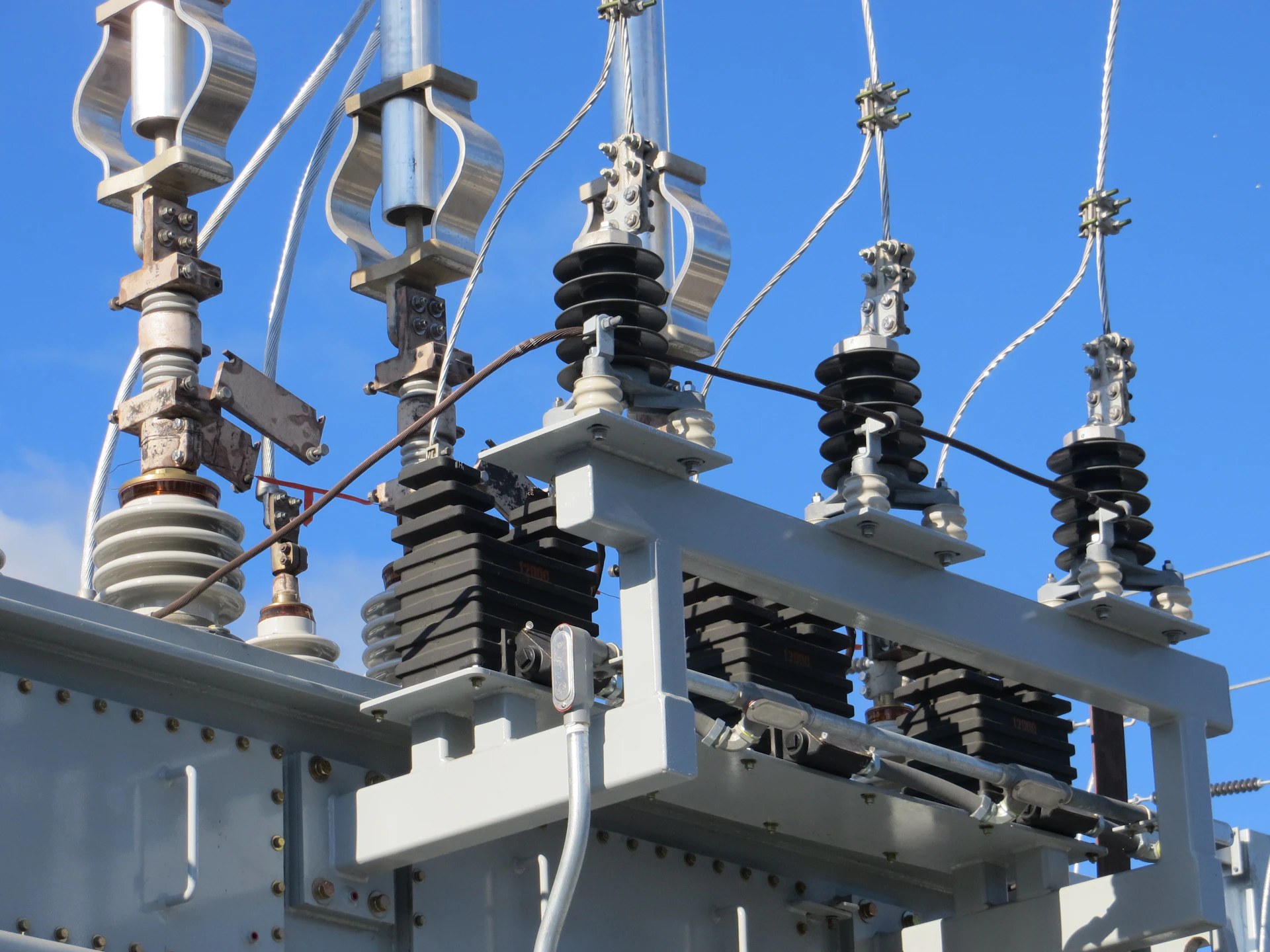
Coordinating utility and substation interfaces alongside cooling, rack and installation requirements, with responsibility boundaries defined for each project. CloudSyntrix has not stated that it designs, builds or energizes substations.
New sites and existing facilities are in the intended scope. The work packages, the interfaces with the owner and contractors, and who owns commissioning are agreed per project. No completed greenfield example is cited here.
Ask the assistant
The assistant answers from approved content and says plainly what it cannot claim.